



Suprarenal (Adrenal) Gland
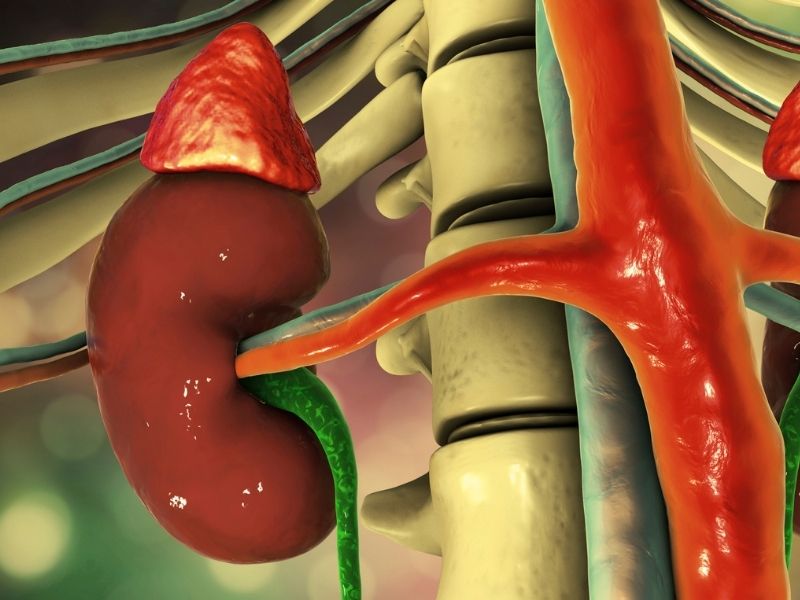
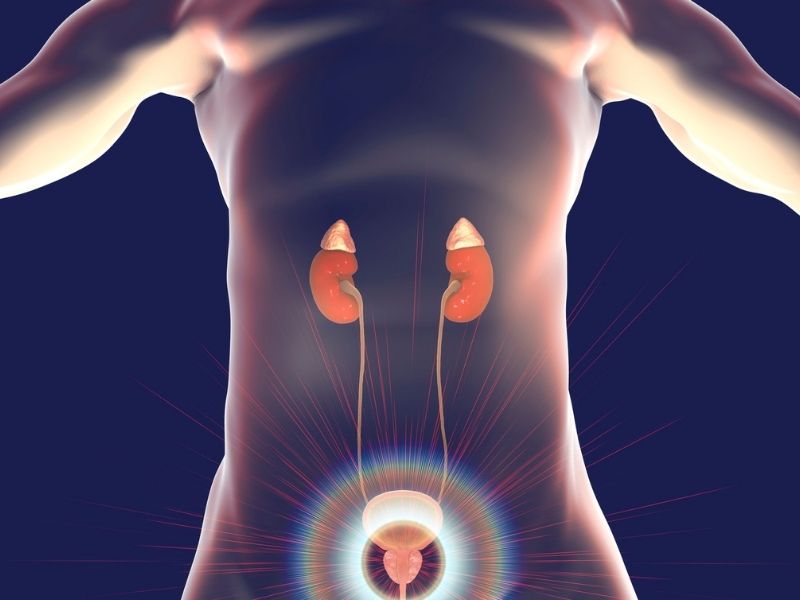
Adrenal glands are located on top of each kidney. They sit toward the back of the abdomen and are in close proximity to other abdominal organs. Adrenal glands produce various hormones that help regulate blood pressure, blood sugar, metabolism, the immune system, and other essential functions. They are endocrine glands that help regulate metabolism by producing various steroid hormones, mainly including adrenaline, aldosterone, and cortisol.
What Is The Adrenal (Suprarenal) Gland?
Adrenal glands have two parts: the cortex and the medulla. The adrenal cortex is the outermost and largest portion of the gland. It is divided into three zones and, from outer to inner, they are called the zona glomerulosa, zona fasciculata, and zona reticularis. These zones have different cellular structures and are dedicated to the production of aldosterone, cortisol, and androgens, respectively. The adrenal medulla is located in the center of the gland and is surrounded by the cortex. Adrenaline and noradrenaline, which regulate some of the body’s most important functions, are released into the bloodstream when specialized nerve cells in this region are stimulated.
Because of this complex structure, adrenal diseases or masses can lead to a wide range of complaints and findings. Depending on the location and severity of the pathology, hormonal imbalances and related symptoms may occur.
Masses detected in the adrenal gland are most likely to be benign and are usually found incidentally without causing symptoms. However, surgery may be required if these masses begin producing hormones uncontrollably, if there is an increase in gland size, or if malignancy is suspected. Surgical removal of both glands makes oral hormone replacement mandatory. Removal of one gland can often be compensated by increased hormone production from the other gland. Due to the adrenal glands’ close proximity to other organs, their deep location at the back of the abdomen, and their production of many hormones, it is very important that surgery is performed by experienced teams.
Adrenal Adenoma (Suprarenal Adenoma, Adrenal Gland Adenoma)
Adrenal adenomas are noncancerous masses that develop in the adrenal glands. Most of the time, no treatment is needed. In this condition, which occurs when the adrenal gland enlarges abnormally, hormone secretion may also accompany the disease. However, in some cases, these tumors secrete high levels of certain hormones that can cause complications. They are an important cause of treatable hypertension. They may also be detected incidentally during abdominal imaging performed for various reasons. Determining whether these masses are causing disease and managing treatment can be challenging. Diagnosis can be made through various laboratory measurements and imaging studies. Adrenal gland masses may produce cortisol, or they may produce hormones that lead to hypertension, such as pheochromocytoma.
Adrenal Surgery
Adrenal gland disorders should be evaluated and treated by an experienced endocrine surgery team. Because adrenal gland disorders are not very common and can be difficult to diagnose, they should be assessed by experienced teams. Cancers of the adrenal glands, which give instructions to almost every organ in the body, are very rare. Adrenal cancer has a chance of successful treatment when detected early; however, if the cancer has spread beyond the adrenal glands, treatment becomes less likely. Treatment may be used to delay progression or recurrence. Most enlargements that occur in the adrenal glands are not malignant cancers. Benign adrenal tumors such as adenoma or pheochromocytoma can also develop in the adrenal glands.
Adrenalectomy (Suprarenalectomy, Removal Of The Adrenal Gland)
Adrenalectomy is surgery performed to remove one or both adrenal glands.
Surgeons can perform adrenalectomy using a minimally invasive (closed) approach or traditional open surgery. The method chosen depends on the characteristics of the disease, the reason for surgery, the patient’s overall health, and the preferences of the patient and surgeon. In this decision, the tumor’s size, type, and the extent of adrenal gland involvement are important. Large and malignant masses are generally removed with open surgery, whereas smaller tumors may be treated with a minimally invasive (closed) method in experienced centers.
In open surgery, the patient is placed under general anesthesia, an incision is made in the abdominal area to reach the adrenal gland, and the gland is removed together with surrounding healthy tissue. The minimally invasive approach refers to closed surgery. It is performed through small incisions in the abdomen using laparoscopic or robotic systems. As in open surgery, the adrenal adenoma is removed along with surrounding healthy tissue. Because of several advantages—such as a smaller scar, less pain, faster recovery, and an earlier return to daily life—the minimally invasive method is often preferred.

