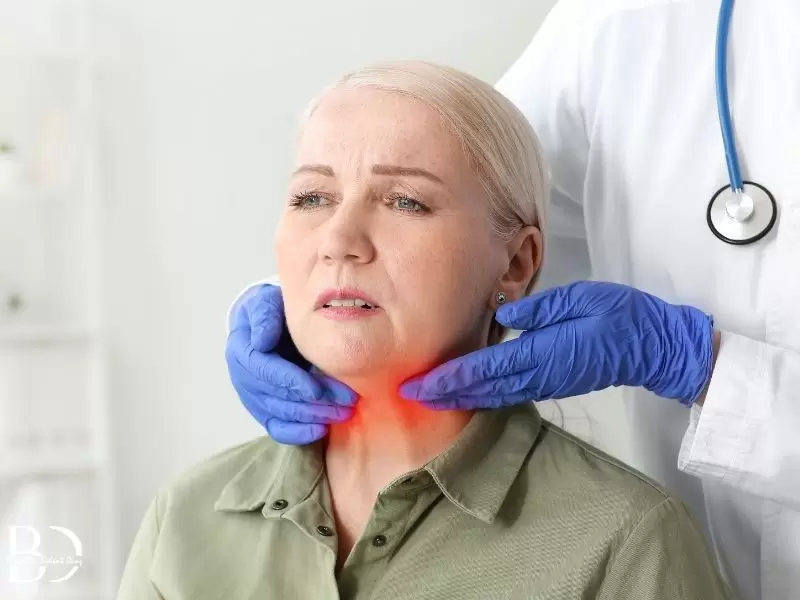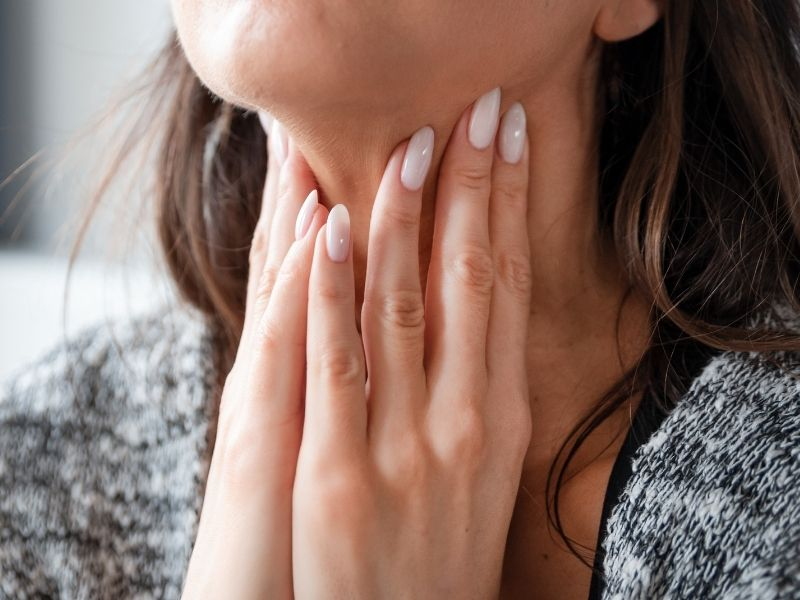


The thyroid gland is a butterfly-shaped endocrine gland located at the front of the neck, just below the area known as the Adam’s apple. Despite its small size, it has a major impact on the body. The thyroid gland’s primary role is to produce and release into the bloodstream two key hormones: triiodothyronine (T3) and thyroxine (T4). These hormones directly influence energy production, metabolic rate, heart rhythm, digestive function, and even mental well-being.
The thyroid acts like the body’s “gas pedal.” When hormone levels are balanced:
- Heartbeats remain regular
- Metabolism works at a healthy pace
- Mood stays stable
- Muscles function strongly
- Hair and skin look healthy
However, when the thyroid gland works too little or too much, it can disrupt the body’s balance and lead to various health problems. These imbalances are generally referred to as thyroid disorders.
When it comes to thyroid disorders, there are two most common core conditions: hypothyroidism and hyperthyroidism. These opposite conditions occur when thyroid hormones are produced in insufficient or excessive amounts. Both present with different symptoms and can significantly affect quality of life.
Underactive Thyroid: What Is Hypothyroidism?
Hypothyroidism occurs when the thyroid gland does not produce enough T3 and T4 hormones. Low hormone levels cause the metabolism to slow down. This condition is more common in women and in older age groups.
Common Symptoms Of Hypothyroidism:
- Persistent fatigue and weakness
- Sensitivity to cold
- Weight gain (even without dieting)
- Dry skin
- Constipation
- Depression or mood changes
- Difficulty concentrating (sometimes called “brain fog”)
- Menstrual irregularities in women
- Hair loss
Causes Of Hypothyroidism:
- Hashimoto’s thyroiditis (an autoimmune disease)
- Iodine deficiency
- After thyroid surgery
- Radiation therapy
- Side effects of certain medications
Treatment Method:
The most common treatment is daily use of a synthetic T4 hormone called levothyroxine. This therapy replaces the missing hormones and relieves symptoms.

Overactive Thyroid: What Is Hyperthyroidism?
Hyperthyroidism is a condition in which the thyroid gland produces an excessive amount of hormones. The body functions as if it is “sped up.” It is more common in young women and especially in individuals with Graves’ disease.
Common Symptoms Of Hyperthyroidism:
- Rapid heartbeat (tachycardia)
- Excessive sweating and heat intolerance
- Irritability and restlessness
- Weight loss (despite normal eating)
- Diarrhea
- Tremor in the hands
- Muscle weakness
- Sleep disturbances
- Prominent eyes (especially in Graves’ disease)
Causes Of Hyperthyroidism:
- Graves’ disease (an autoimmune condition)
- Toxic nodular goiter
- Inflammation of the thyroid gland (thyroiditis)
- Excessive iodine intake
Treatment Method:
There are three main treatment options for hyperthyroidism:
Medication (anti-thyroid drugs)
Radioactive iodine therapy
Surgical intervention (thyroidectomy)
The treatment method is determined by the patient’s age, overall health status, and the severity of hyperthyroidism.
Hashimoto’s Thyroiditis: A Silent, Progressive Condition
One of the most common autoimmune disorders among thyroid diseases, Hashimoto’s thyroiditis occurs when the immune system attacks the thyroid gland. This disease causes inflammation of the gland and, over time, reduces thyroid hormone production. In other words, it most often results in hypothyroidism.
Hashimoto’s is especially common in middle-aged women, but it can occur at any age and in any sex. The disease usually progresses quietly, may not cause symptoms for years, and is often discovered during blood tests performed for another reason.
How Is It Diagnosed?
Hashimoto’s disease is typically diagnosed with the following tests:
- TSH test: Used to assess for hypothyroidism. TSH is usually elevated.
- T3 and T4 hormone tests: Levels may be low.
- Anti-TPO and Anti-TG antibody tests: High levels of these autoantibodies confirm the diagnosis of Hashimoto’s.
- Thyroid ultrasound: Checks for enlargement, irregularity, or the presence of nodules.
Based on these test results, the doctor evaluates the thyroid gland’s function together with the autoimmune status.
How Is Hashimoto’s Treated?
There is no direct “cure” for Hashimoto’s itself because it is an autoimmune disease. However, the hormones the thyroid can no longer produce are replaced with medication to correct the deficiency.
- Levothyroxine, a synthetic thyroid hormone, is often used for life.
- The dose is adjusted based on TSH levels.
- Regular blood tests are used to monitor and adjust the dose.
- In some cases, selenium and vitamin D supplementation may be recommended.
In addition, healthy nutrition and stress management may help support control of the autoimmune process.

Graves’ Disease: The Intense Form Of Hyperthyroidism
Graves’ disease is an autoimmune disorder that causes the thyroid gland to become overactive and is the most common cause of hyperthyroidism. In this condition, the immune system targets the thyroid gland, leading it to produce more hormones than necessary. The disease is named after Irish physician Robert Graves, who first described this clinical picture.
Graves’ disease is generally more common in women and is most frequently seen between the ages of 20 and 40. However, it can occur at any age. Symptoms are often noticeable and can quickly reduce quality of life.
The most distinctive feature that separates Graves’ disease from other causes of hyperthyroidism is eye-related findings. This is called “Graves’ ophthalmopathy” and may present with the following symptoms:
- Eyes appearing to bulge outward (exophthalmos)
- Dryness and redness of the eyes
- Sensitivity to light
- Pain or pressure sensation around the eyes
- Double vision
- Eyelid retraction (making the eyes appear larger)
This condition can affect patients both aesthetically and functionally. Early diagnosis and co-management with an ophthalmologist are very important.
What Are The Treatment Options?
Treatment of Graves’ disease aims to bring hyperthyroidism under control. The methods used include:
Anti-thyroid medications: Drugs such as methimazole or propylthiouracil reduce hormone production.
Radioactive iodine therapy: Destroys thyroid cells to reduce hormone production. It may lead to permanent hypothyroidism.
Surgery (Thyroidectomy): Part or all of the thyroid is removed. Hormone replacement may be required after surgery.
If there are eye problems, the endocrinologist and ophthalmologist should follow the patient together. If the eye disease is progressing, corticosteroid therapy or eye surgery may be needed.
Thyroid Nodules: Small Lumps, Big Effects
Nodules that develop in the thyroid gland—small lumps—are often harmless. However, in some cases, these small structures may be the first sign of a serious problem. Thyroid nodules can be single (solitary) or multiple (multinodular), and they are usually noticed during a neck examination or incidentally on ultrasound scans. For this reason, nodules are common and require a thorough evaluation.
Goiter: The Most Well-Known Thyroid Problem
Goiter is a general term used for enlargement of the thyroid gland beyond its normal size. It often appears as a noticeable swelling at the front of the neck. Not every goiter indicates a thyroid hormone disorder; in some types of goiter, hormone production is normal. However, this enlargement can occur for various reasons and, in some cases, may involve important health risks.
Thyroid Cancer
Thyroid cancer, which develops when malignant cells in the thyroid gland multiply uncontrollably, is less common than other thyroid diseases. However, being less common does not reduce its importance. When diagnosed early, the chance of successful treatment is quite high. For this reason, careful evaluation of thyroid nodules and further testing in suspicious cases are vital.
Subacute Thyroiditis
Subacute thyroiditis is a temporary thyroid condition that usually occurs after a viral infection and is characterized by painful inflammation of the thyroid gland. Unlike other thyroid disorders, pain can be one of the reasons patients seek medical attention.
Subacute thyroiditis is especially seen after upper respiratory tract infections (such as flu, the common cold, or mumps). It is more common in women than in men and typically occurs between the ages of 30 and 50.