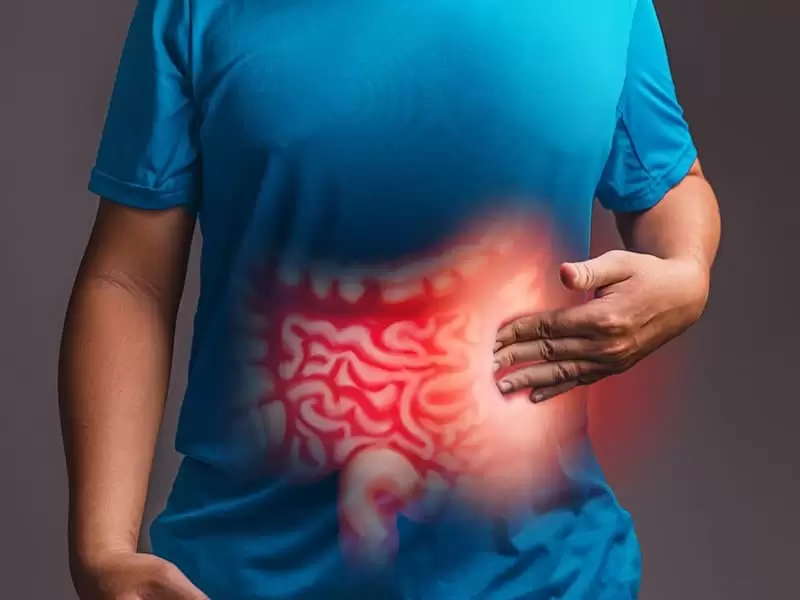



Hernia
A hernia is the protrusion of an organ through a weak point in the structures that normally contain it. The most common hernias dealt with in general surgery include inguinal hernia, umbilical hernia, and incisional hernia that occurs after surgeries. Besides these, there are many other types of hernias that are seen less frequently.
Inguinal Hernia
Hernias that occur in the groin area are called inguinal hernias. They are more common in men than in women. Inguinal hernias are classified into two main types based on their location: direct and indirect. The indirect type can be seen at any age and may extend as far as the scrotum.
Symptoms Of Inguinal Hernia
- A bulge in the groin area that appears when coughing or straining
- A burning sensation or pain in the groin
- Pain or discomfort in the groin when bending, coughing, or lifting a heavy object
- A feeling of weakness or pressure in the groin
- Pain and swelling around the testicles when the intestine descends into the scrotum
Sometimes a hernia cannot be pushed back in and may become trapped in the abdominal wall (incarcerated hernia). A trapped hernia may become strangulated, which cuts off blood flow to the trapped tissue. If left untreated, a strangulated hernia can be life-threatening. Signs and symptoms of a strangulated hernia include:
- Nausea, vomiting, or both
- Fever
- Sudden pain that rapidly intensifies
- A hernia bulge that turns red, purple, or dark in color
- Bowel obstruction or inability to pass gas


Causes Of Inguinal Hernia
Some inguinal hernias have no obvious cause. Others may occur as a result of the following:
- Male sex (8 times more common)
- Older age
- Family history
- Chronic cough
- Chronic constipation
- Pregnancy
- Prostate disease
- Premature birth and low birth weight
- Previous inguinal hernia repair
Diagnosis Of Inguinal Hernia
In most cases, diagnosis can be made through a careful medical history and physical examination. When diagnosis cannot be confirmed, superficial ultrasound, computed tomography, and MRI imaging methods may be used.
Treatment Of Inguinal Hernia
Small hernias that do not cause complaints may be monitored with periodic follow-ups. Hernias that grow and cause symptoms should be repaired surgically to prevent possible complications (adverse outcomes). There are two general types of hernia surgery: open hernia repair and minimally invasive hernia repair.
Open Hernia Repair
This can be performed under local anesthesia with sedation, spinal anesthesia, or general anesthesia. An incision is made in the groin area, the hernia sac is identified and pushed back into the abdomen. The weakened area is repaired with sutures and covered with a synthetic mesh. The opening is then closed with stitches, staples, or surgical glue. Most patients return to normal activities within a few weeks.
Minimally Invasive Hernia Repair
This is performed under general anesthesia. The operation is carried out using laparoscopic or robotic instruments inserted through a few small incisions in the abdomen. To visualize the hernia area, gas is introduced into the abdominal cavity.
As in open surgery, the hernia sac is pushed back into the abdomen and the hernia defect is covered with a synthetic mesh. People who undergo minimally invasive repair may have less discomfort and scarring after surgery and may return to normal activities sooner. Long-term outcomes of laparoscopic and open hernia surgeries are similar.
Inguinal Hernia FAQ
How can you tell if you have an inguinal hernia?
An inguinal hernia is often noticed as a bulge and pain in the groin, especially when coughing, sneezing, or straining.
Is an inguinal hernia dangerous?
If the hernia becomes trapped, it can cut off blood flow. An incarcerated/strangulated hernia can be life-threatening if not treated, so prompt medical care is important.
Who gets an inguinal hernia?
There isn’t always a single clear cause. Inguinal hernias are more common in men and may be associated with factors such as chronic cough or constipation.
Can children get an inguinal hernia?
Yes. In children, the only definitive treatment is surgery. If not repaired, the hernia can become trapped and strangulated.
How does an inguinal hernia go away?
The only effective treatment is surgery. Some cases may be monitored for a period, but in more advanced cases—or if symptoms increase—surgical repair is performed.