



Parathyroid adenoma treatment is among the topics many people are curious about. First of all, when a parathyroid adenoma develops, the secretion of parathyroid hormone increases. As a result, the calcium level in the blood rises. This leads to a condition called hypercalcemia. Hypercalcemia may cause problems such as osteoporosis, bones that fracture easily, kidney stones, nausea, and stomach-related complaints.
This condition can often be confused with other diseases. Because it may cause pain in the bones and muscles, it can be mistaken for rheumatic disorders. Since calcium balance is disrupted, some patients may also experience psychological symptoms. However, with the use of certain imaging methods, diagnosis can now be made more easily.
What Is a Parathyroid Adenoma?
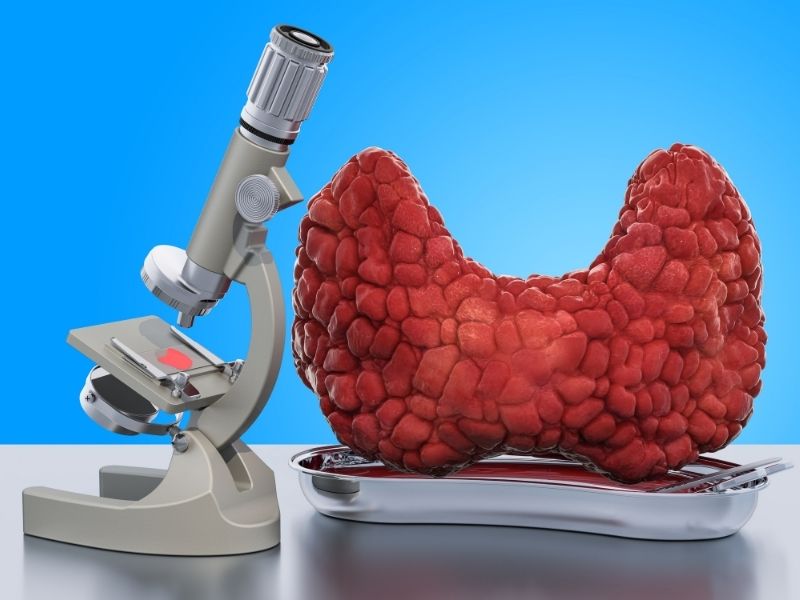
What is a parathyroid adenoma? It is defined as a benign tumor that causes excessive secretion of parathyroid hormone and, as a result, elevated calcium levels in the blood. It is generally treated with surgical methods. During surgery, all or part of the gland is removed. The procedure is performed to bring the blood calcium level back down to a more normal range.
It is most commonly seen in older women. However, it can occur in women or men of almost any age. The exact cause is not clearly known. For the treatment of hyperparathyroidism—in other words, excessive parathyroid hormone secretion—the patient’s condition should first be evaluated in detail and then managed accordingly.


Symptoms of a Parathyroid Adenoma
The following are commonly observed among parathyroid adenoma symptoms:
- Feeling tired and weak
- Confusion and memory problems
- Depression and irritability
- Mental fogginess
- Kidney stones
- Bone and joint pain
- Osteoporosis
- Bone fractures
- Abdominal pain
- Heartburn
- Constipation
- High blood pressure
- Frequent urination
- Vomiting
Parathyroid Adenoma Treatment
Parathyroid adenoma treatment is performed due to problems in the functioning of the parathyroid glands. When one or more glands become overactive, the blood calcium level rises. Along with this, many health issues may occur. It is known that treatment is necessary.
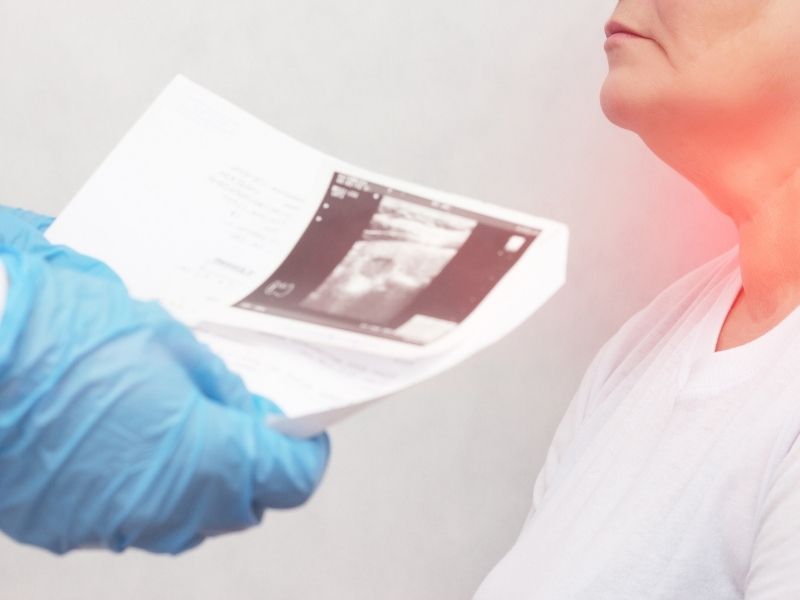
Because parathyroid adenoma symptoms can be confused with other conditions, diagnosis can now be made more easily with ultrasonography. Surgical treatment is generally considered, and then it is determined whether the patient is a suitable candidate for treatment.
Parathyroid Adenoma Surgery
Before parathyroid adenoma surgery, an examination is performed to obtain detailed information about the patient’s condition. Certain tests and imaging methods are used. If no issues are identified, the patient is prepared for surgery. At the same time, a treatment plan is created.
In parathyroid adenoma surgery, minimally invasive approaches are preferred when the adenoma can be localized before the operation. The adenoma is removed through a 3 cm skin incision. The surgery is completed in a relatively short time, and the recovery period is known to be fast.
If the diagnosis is made late, some problems may be observed in the postoperative period. Calcium and vitamin D supplementation may be required. Postoperative calcium deficiency can cause symptoms such as tingling around the lips, numbness in the fingertips, muscle cramps, and bone pain.
Risks of Parathyroid Adenoma Surgery
Risks of parathyroid adenoma surgery are among the frequently asked topics. First of all, every surgical procedure carries certain risks. These risks can sometimes be serious. However, serious complications are generally encountered rarely. In addition, risks may vary depending on the patient’s overall health and other existing medical problems.