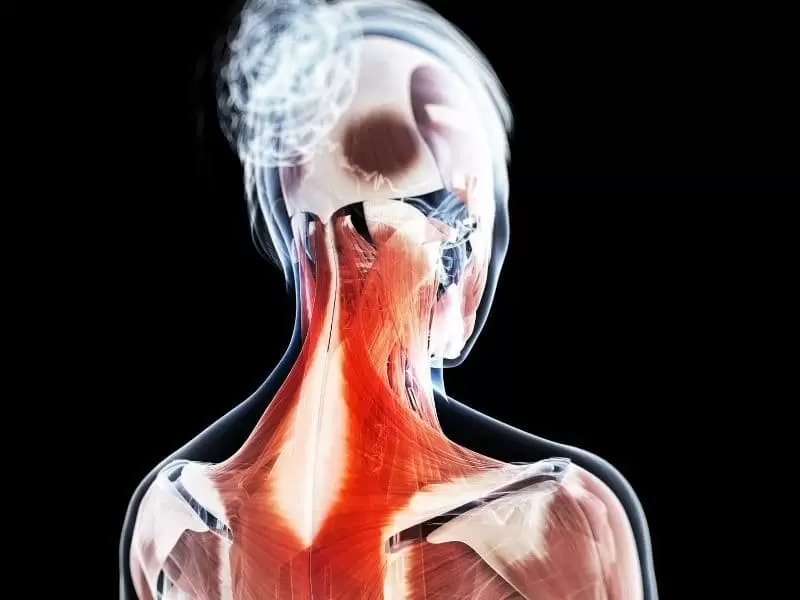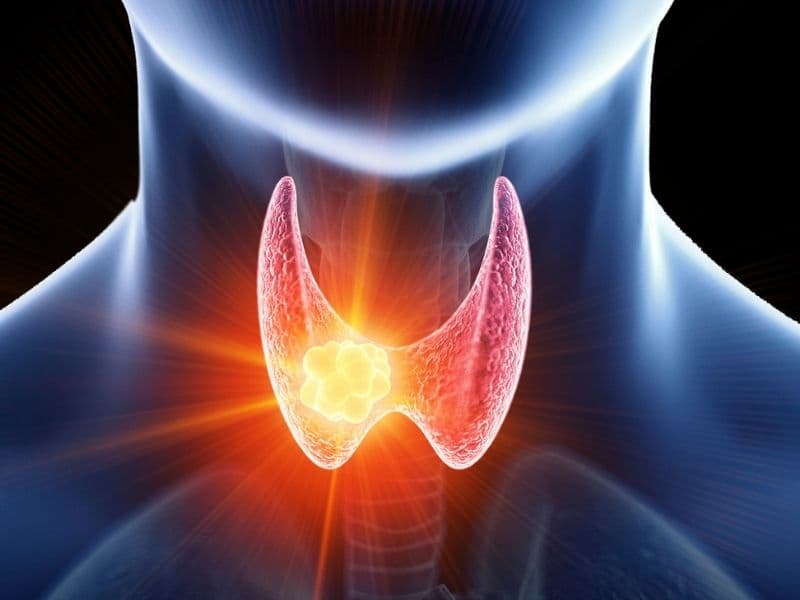



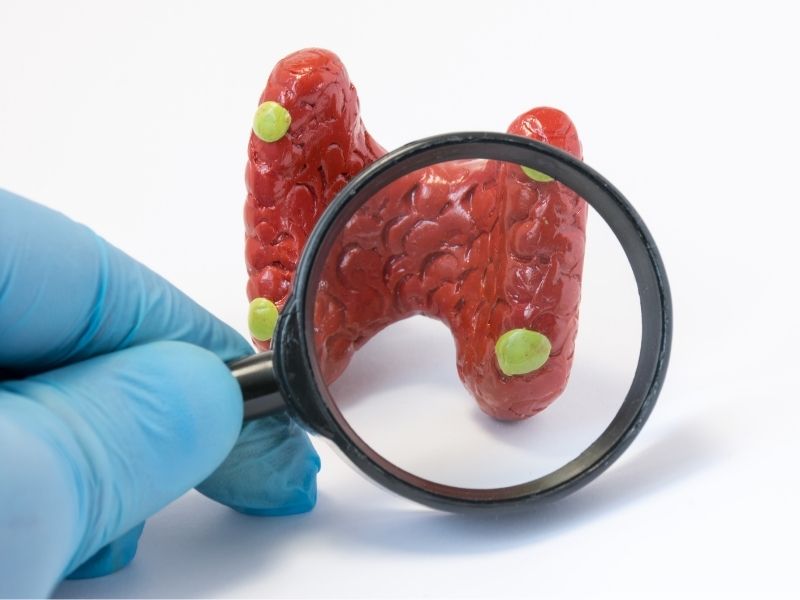
Parathyroid adenoma refers to benign tumors that develop in four small glands located behind the neck. The parathyroid hormone, known as PTH, helps regulate calcium levels in the body. When a parathyroid adenoma forms, calcium levels rise. As a result, a condition called hyperparathyroidism occurs, and health problems such as kidney stone formation, bone loss, and similar issues may develop.
What Is Parathyroid Adenoma Surgery?
Parathyroid adenoma surgery is performed to remove the enlarged gland or glands. This surgery treats the parathyroid adenoma with a success rate of approximately 95%. In patients who cannot undergo surgery, medical treatment methods are used to help prevent calcium loss from the bones. A non-surgical option may be achieved by continuously applying hormone replacement therapy. However, the recommended treatment method is surgery. After the operation, the patient may feel much better and quality of life may improve. Since the disease is treated with surgery, the health problems that a parathyroid adenoma may cause can also be prevented.
How Is Parathyroid Adenoma Surgery Performed?
Parathyroid adenoma surgery is performed under general anesthesia and a small incision is made in the neck. During the operation, all four parathyroid glands are examined and any problems are identified. Glands with abnormal findings are removed. If there is a problem in one or two glands, those glands are removed, and calcium levels can be kept balanced with the remaining two glands. If tumors are present in all glands, three and a half glands are removed and half of one gland is left in place. The removed tissues are examined by a pathologist and the tumor tissue is evaluated. As a result of the surgery, symptoms related to parathyroid adenoma—such as fatigue and chronic tiredness, bone health problems, kidney stones, nausea, constipation, high blood pressure, pain and urgency during urination, and mental fog—can resolve.
How Many Hours Does Parathyroid Adenoma Surgery Take?
The surgery performed for parathyroid adenoma treatment may take between half an hour and 3 hours, depending on the surgical technique and the location of the parathyroid adenoma in the neck region. The duration of the operation is determined by the specialist physician and the surgical team. If deemed necessary, the surgery time may be extended.

What Are the Risks of Parathyroid Adenoma Surgery?
All surgical procedures carry risks. The following can be listed among the risks of parathyroid surgery.
- Temporary or permanent low calcium levels in the blood may occur (hypocalcemia)
- Tingling and numbness in the fingers and around the mouth due to low calcium
- Muscle cramps caused by low calcium
If three or more parathyroid glands are removed during parathyroid surgery, there is a high likelihood of experiencing symptoms of calcium deficiency. Therefore, the patient should use calcium and vitamin D supplements recommended by the physician. If necessary, high-dose calcium supplementation may be advised.
After Parathyroid Adenoma Surgery
After parathyroid adenoma surgery, the patient’s calcium and PTH levels are monitored. Although rare, these values may increase after surgery. If low blood values rise again within 1 year, a recurrent parathyroid adenoma problem may be considered. After all parathyroid surgeries, some degree of low calcium can occur. Depending on this low calcium, certain complaints may be seen. Following the general evaluation performed before surgery, the operation is carried out and any additional treatments and supplements planned after parathyroid adenoma surgery are arranged. There is no special diet that must be followed after parathyroid adenoma surgery. However, to improve overall health status, it is recommended to avoid fatty foods, avoid eating a single-type diet, eat a balanced diet, and avoid excessive weight gain. It is advised not to miss postoperative follow-up visits and to monitor parathyroid levels.