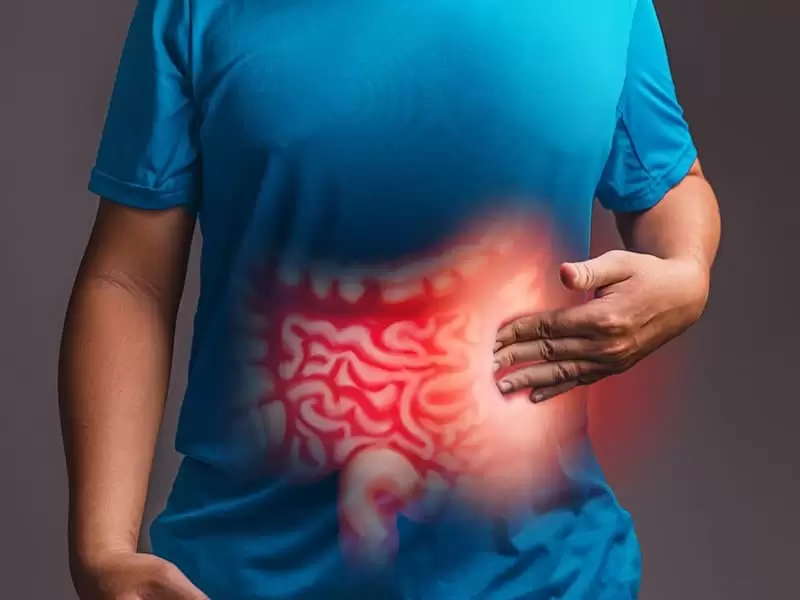



Stomach cancer, the 4th most common cancer among all cancers, can occur in any part of the stomach and may spread to organs such as the lymph nodes, liver, and lungs. In addition to unhealthy dietary habits that begin at an early age, smoking and alcohol consumption can also trigger stomach cancer. It develops as a result of malignant cells forming in the stomach lining (mucosa) due to various causes.
Stomach cancer, which is among the most common cancers in our country, causes the death of 800,000 people worldwide every year. Seen more frequently in men than in women, stomach cancer can be detected early and brought under control with appropriate treatment thanks to advances in technology in recent years. With specialist follow-up and proper nutrition, it may be possible to protect against and recover from stomach cancer.
Symptoms of Stomach Cancer
Symptoms of stomach cancer can be listed as follows:
- Difficulty swallowing
- A feeling of bloating after eating
- Feeling full quickly despite eating little
- Prolonged feeling of fullness
- Painful burning in the chest
- Indigestion
- Nausea and vomiting
- Abdominal pain
- Unintentional weight loss
Stomach cancer may sometimes progress silently without causing symptoms. If symptoms appear at an advanced stage, the patient may have missed the chance for surgical treatment. Therefore, early diagnosis is very important for stomach cancer.
Risk Factors for Stomach Cancer
It is not clear exactly what causes stomach cancer, but research has identified many factors that may increase the risk. Risk factors for stomach cancer include:
- Family history of stomach cancer
- Gastroesophageal reflux disease (GERD)
- Infection with Helicobacter pylori
- Stomach polyps
- Long-term stomach inflammation (gastritis)
- Smoking
- Obesity
- A diet high in salty and smoked foods
- A diet low in fruits and vegetables
Diagnosis of Stomach Cancer
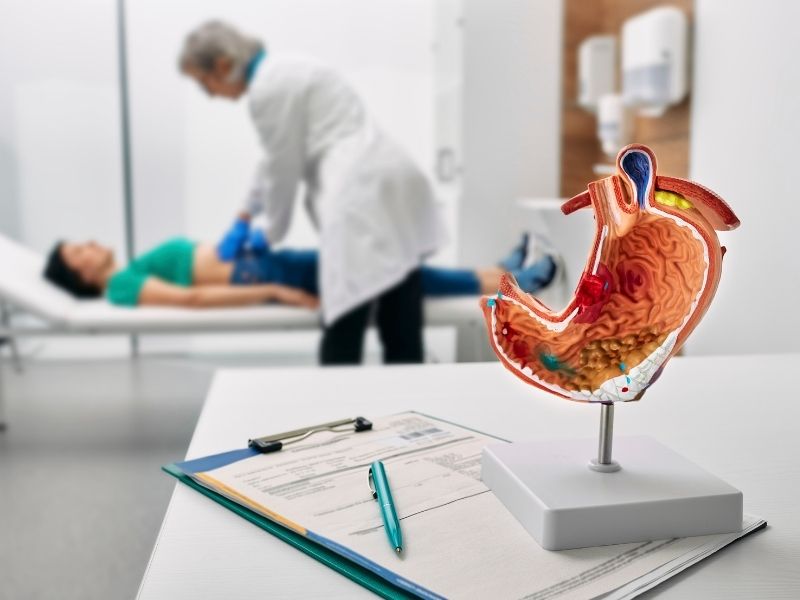
Early diagnosis in stomach cancer is very important for the success of treatment. Therefore, it is important that individuals with stomach complaints are evaluated early by specialist physicians.
Upper gastrointestinal endoscopy: Endoscopy is the procedure of examining the esophagus, stomach, and the first parts of the small intestine using a camera with a light source. This procedure can be performed under mild sedation (sleep-like state) or under local anesthesia. During the procedure, the inner surfaces of the tubular organs are evaluated, and if any abnormal areas are seen, a biopsy can be taken for a definitive diagnosis. With appropriate use of endoscopy, it is possible to detect the disease at an early stage.
Imaging tests: Contrast studies and computed tomography are other important diagnostic methods used to identify stomach cancer.
Staging Tests in Stomach Cancer
The stage of your stomach cancer helps determine which treatment will be applied. Tests and procedures used to determine the stage of cancer include:
Blood tests: Tests performed to evaluate organ function. They may indicate whether organs such as the liver and kidneys are affected.
Endoscopic ultrasound: Performed with an endoscope that has an ultrasound probe at its tip. Endoscopic ultrasound helps determine how deeply the cancer has penetrated the stomach wall.
Imaging tests: May include computed tomography and positron emission tomography (PET).
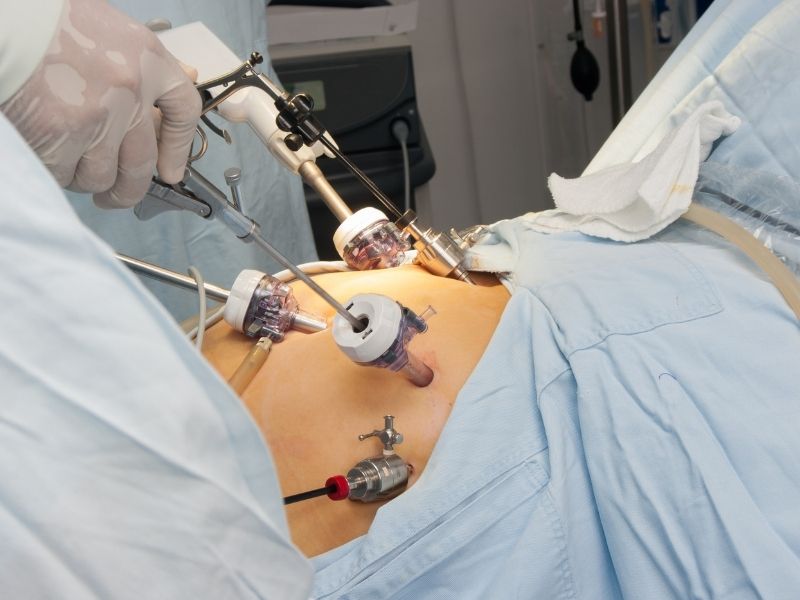
Diagnostic surgeries: Performed to look for signs that cancer has spread outside the stomach to the chest or abdomen. It is usually performed laparoscopically (minimally invasive/closed technique).
Treatment of Stomach Cancer
Treatment for stomach cancer is determined based on the location of the cancer, its stage, and the tissue type. When planning treatment, the patient’s overall health status and the preferences of both the patient and the physician are taken into consideration. In suitable patients, surgery is the first option.
Endoscopic treatments: Removal of early-stage tumors limited to the inner surface of the stomach can be performed with endoscopic methods. Using special instruments passed through the endoscope, the mass can be completely removed. These approaches include endoscopic mucosal resection (EMR) and endoscopic submucosal dissection (ESD).
Surgical treatments: In the treatment of stomach cancer, removing the tumor causing the cancer in an appropriate manner is the most important part of therapy. Removal of part of the stomach (subtotal gastrectomy) or the entire stomach (total gastrectomy) may be performed. Then, a segment of the small intestine is connected to the remaining stomach or the esophagus to help the patient continue life as normally as possible. During this procedure, lymph nodes that may contain spread and surrounding healthy tissues may also be removed.
Chemotherapy: Chemotherapy is a drug treatment that uses chemicals to kill cancer cells. Chemotherapy drugs circulate throughout the body and destroy cancer cells that may have spread outside the stomach. In some cases, it may also be given before surgery to shrink the tumor and increase surgical success. It is commonly administered together with radiotherapy.
Radiotherapy (radiation treatment): Radiation therapy uses high-powered energy beams such as X-rays and protons to kill cancer cells. With a direct effect, cancer cells are destroyed. Like chemotherapy, it may sometimes be used before surgery to shrink the tumor. In advanced-stage stomach cancers that cannot be operated on, it may be used alone or together with chemotherapy to reduce bleeding and pain.
Immunotherapy: Immunotherapy is a drug treatment that helps the immune system fight cancer. The immune system that fights disease may not attack cancer because cancer cells produce proteins that make it difficult for immune cells to recognize them as dangerous. Immunotherapy works by intervening in this process. It may be used in advanced-stage, recurrent, or metastatic cancers.