



Breast Diseases

Breast pain, also known as mastalgia, can present in many different ways, ranging from tenderness in the breast tissue to throbbing, sharp, stabbing, burning pain, or a sensation of tightness.…

Cysts that form in the breast appear in some people as very small structures called microcysts. In some people, they can be large enough to be detected by physical examination. These cysts are called macrocysts…

Breast abscess is a serious infectious disease that usually occurs during breastfeeding and presents with breast pain, swelling, and redness. It forms as a result of pus accumulation in the infected area and ca…

Nipple discharge is among the most common complaints after breast pain and masses. Although it is mostly seen due to benign causes, it may also develop due to reasons requiring surgery.…

Fibroadenomas are the most common benign breast tumors that can be seen in women of all ages. These tumors stand out with their solid structure and generally occur in women between the ages of 20 and 40.…

Breast cancer is cancers that develop in the cells of the breast tissue. Breast cancer ranks first among the types of cancer seen in women. Over a lifetime, 1 in every 8 women has a risk of developing cancer. B…

Benign breast cyst has many different types and may develop in different ways. The most common harmless and benign lesions seen in the breast are fibrocysts. These cysts may cause a lump and tenderness in the b…

Malignant breast cyst has recently become one of the most frequently wondered-about topics. Lumps felt in the breast may be a symptom of breast cancer. For this reason, patients may become anxious when they not…

Breast cancer surgery is a surgical treatment planned to control the spread of the disease, remove the tumor tissue, and evaluate the surrounding lymphatic areas when necessary. …
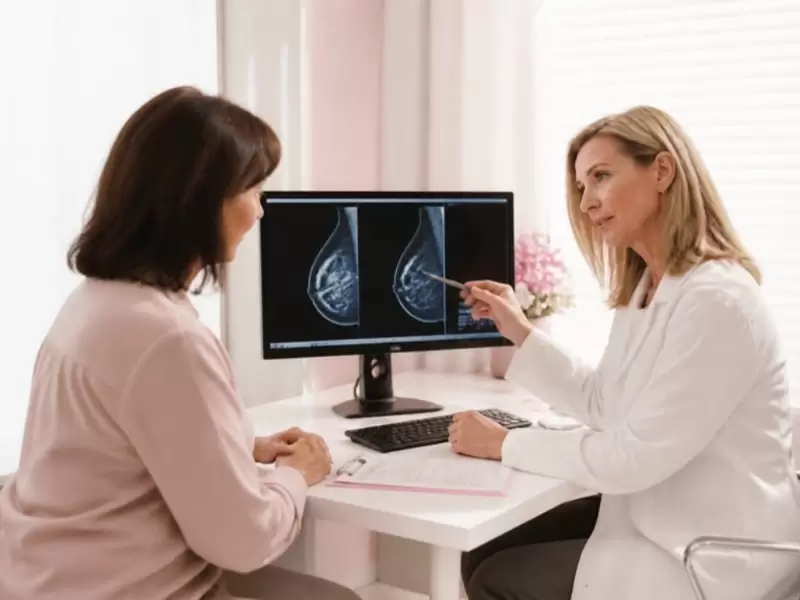
Breast cancer risk is not the same for every woman. Age, family history, genetic predisposition, breast density, certain previous breast conditions, and hormonal and reproductive history can influence an indivi…

The main purpose of breast self-examination is to become familiar with the normal characteristics of your own breast tissue and recognize new changes that may develop over time. Breast tissue is not the same in…

