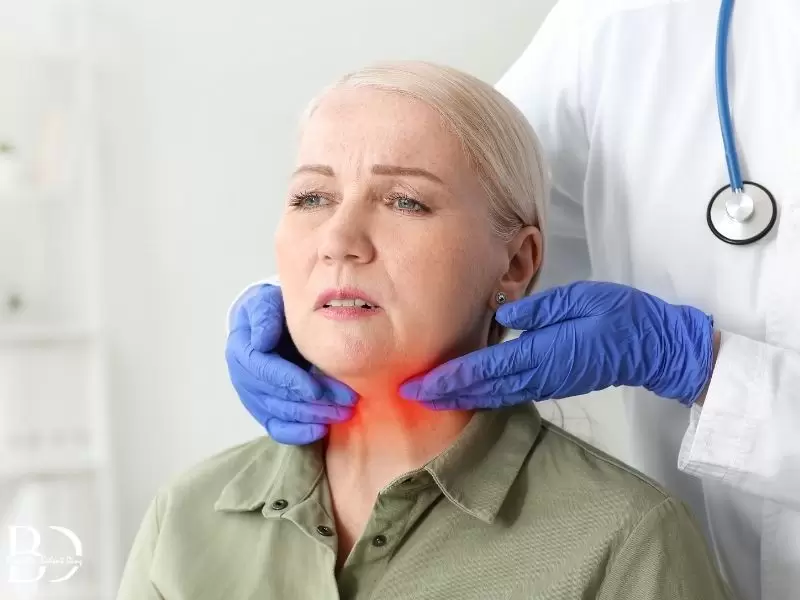


Thyroid cancer surgery is performed to remove cancerous tissue and, depending on the extent of the disease, to surgically treat the necessary areas. However, the same extent of surgery is not performed in every patient with thyroid cancer. The size of the tumor, its location within the thyroid gland, the condition of the lymph nodes, and whether the cancer has spread beyond the thyroid all influence surgical planning.
In current practice, more limited surgical options may be considered, particularly in low-risk differentiated thyroid cancers. Removing only one lobe of the thyroid may be sufficient for some patients. In larger or more extensive disease, removal of the entire thyroid gland may be necessary. Therefore, thyroid cancer surgery is planned according to the individual patient and the characteristics of the tumor.
- When Is Surgery Necessary for Thyroid Cancer?
- Preparation Before Thyroid Cancer Surgery
- How Is Thyroid Cancer Surgery Performed?
- What Is the Difference Between Lobectomy and Total Thyroidectomy?
- Are Lymph Nodes Removed in Thyroid Cancer?
- What Are the Risks of Thyroid Cancer Surgery?
- Recovery After Thyroid Cancer Surgery
- Postoperative Pathology and Treatment Plan
- Thyroid Cancer Surgery in Antalya
- Frequently Asked Questions About Thyroid Cancer Surgery
- How Long Does Thyroid Cancer Surgery Take?
- How Many Days Do You Stay in the Hospital After Thyroid Cancer Surgery?
- Does Thyroid Cancer Surgery Leave a Scar?
- Is Radioactive Iodine Treatment Necessary After Thyroid Cancer Surgery?
- Is Lifelong Thyroid Hormone Medication Required After the Thyroid Is Removed?
- When Can You Return to Work After Thyroid Cancer Surgery?
- Can Thyroid Cancer Recur After Surgery?
When Is Surgery Necessary for Thyroid Cancer?
Surgery is one of the main treatment methods for a significant proportion of thyroid cancers. However, the type of cancer and its risk characteristics directly affect the decision to operate. In some very small, low-risk papillary thyroid cancers, active surveillance may also be considered under appropriate conditions.
When surgery is recommended, the main question is not only whether surgery should be performed. The amount of thyroid tissue that needs to be removed must also be determined.
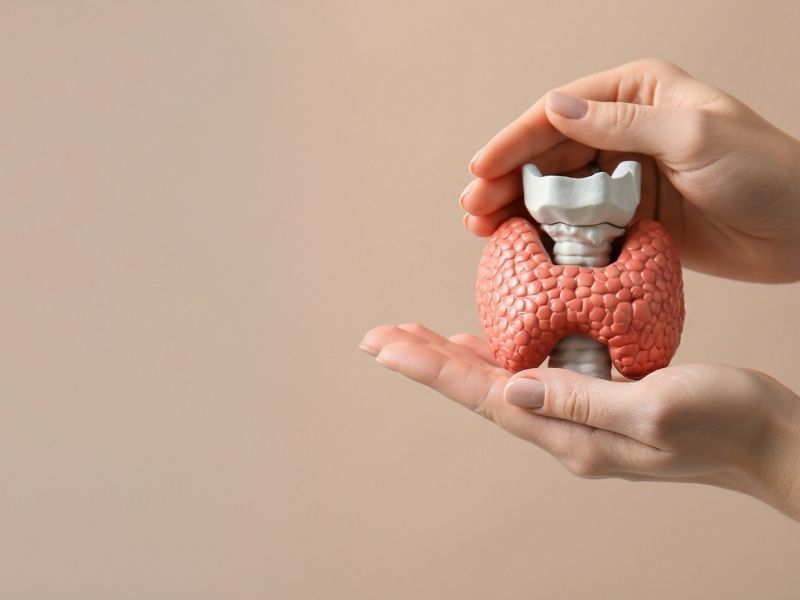
The main factors considered when determining the extent of surgery include:
- Tumor size
- Whether the tumor involves one or both thyroid lobes
- Spread to tissues outside the thyroid
- Condition of the cervical lymph nodes
- Distant organ metastasis
- Pathological characteristics of the tumor
- Presence of a nodule in the opposite thyroid lobe
- The patient's previous thyroid and neck conditions
Current risk assessment is particularly important in determining the extent of surgery for papillary, follicular, and other differentiated thyroid cancers.
Preparation Before Thyroid Cancer Surgery
Preoperative evaluation aims to determine not only the status of the cancer within the thyroid gland but also any possible spread within the neck. Based on this information, the surgeon plans the extent of tissue that needs to be removed.
Ultrasonography is an important method for evaluating the thyroid nodule and cervical lymph nodes. Previous fine-needle aspiration biopsy and cytology results also contribute to surgical planning.
Additional imaging methods may be used when necessary. In particular, when a tumor is suspected of extending into surrounding tissues, a more detailed anatomical assessment may be performed before surgery.
In patients with hoarseness, a history of previous neck surgery, or suspected extension into surrounding tissues, vocal cord function may also need to be evaluated before surgery.
How Is Thyroid Cancer Surgery Performed?
The answer to the question of how thyroid cancer surgery is performed depends on the extent of the planned procedure. Surgery is performed under general anesthesia. Either the thyroid lobe containing the cancer or the entire thyroid gland may be removed.
During conventional thyroid surgery, the surgeon accesses the thyroid gland and carefully separates the planned tissue from important surrounding anatomical structures. Protecting the recurrent laryngeal nerves, which control vocal cord movement, is an important part of the procedure. Care is also taken to preserve the parathyroid glands located behind the thyroid, which help regulate calcium levels in the blood.
Lymph nodes affected by cancer may need to be removed during surgery. However, lymph node surgery is not routinely performed to the same extent in every patient.
The duration of surgery is not fixed. Lobectomy, total thyroidectomy, or simultaneous cervical lymph node surgery can affect the length of the procedure.
What Is the Difference Between Lobectomy and Total Thyroidectomy?
The two main surgical approaches in thyroid cancer are removal of one thyroid lobe and removal of the entire thyroid gland. In a thyroid lobectomy, the thyroid lobe containing the cancer is removed. After a lobectomy, the thyroid tissue on the opposite side is left in place.
Total thyroidectomy is the removal of the entire thyroid gland. In current practice, the choice between these two procedures is not based solely on the presence of a cancer diagnosis.
| Surgical Method | Tissue Removed | When May It Be Considered? | After Surgery |
|---|---|---|---|
| Lobectomy | One lobe of the thyroid gland | In selected low-risk cancers confined to one lobe | The remaining lobe may continue producing thyroid hormones |
| Total thyroidectomy | The entire thyroid gland | In larger cancers, cancers that have spread, or those with certain risk characteristics | Thyroid hormone replacement is required |
According to the 2025 approach to differentiated thyroid cancer, lobectomy is the recommended surgical approach for cancers measuring 2 cm or less that are confined to one lobe and have not spread beyond the thyroid or to cervical lymph nodes. For tumors measuring 2–4 cm with the same characteristics, lobectomy or total thyroidectomy may be considered according to the features of the disease. For cancers larger than 4 cm, extending beyond the thyroid, or involving lymph nodes or distant organs, total thyroidectomy is considered the more extensive surgical approach.
Therefore, removal of the thyroid gland does not necessarily mean removing the entire gland in every patient. The extent of surgery is determined according to the tumor's risk characteristics.
After lobectomy, the remaining thyroid tissue may produce sufficient hormones. Therefore, not every patient who undergoes lobectomy necessarily requires lifelong thyroid hormone therapy. After total thyroidectomy, however, thyroid hormone replacement is required.
Are Lymph Nodes Removed in Thyroid Cancer?
Lymph nodes do not need to be removed during every thyroid cancer surgery. Preoperative ultrasonography and clinical findings are evaluated together to assess lymph node involvement in thyroid cancer.
If cancer involvement is detected in the lymph nodes or there is strong suspicion, the relevant lymphatic regions may be included in the surgical plan. Central cervical lymph nodes around the thyroid gland and lateral lymph nodes on the sides of the neck represent different anatomical regions.
Neck dissection is the surgical removal of cervical lymph nodes that need to be treated for cancer involvement within defined anatomical regions. The extent of the dissection is determined according to the location of the disease.
The aim is not to remove all lymph nodes in the neck indiscriminately. Surgery is planned according to the location and extent of the cancer.

What Are the Risks of Thyroid Cancer Surgery?
Risks of thyroid cancer surgery may vary depending on the extent of surgery and the characteristics of the disease. Because the thyroid gland is located close to the nerves controlling the vocal cords and the parathyroid glands, protecting these structures is an important part of surgery.
The main surgical risks include:
Bleeding in the surgical area
Temporary or permanent voice changes
Injury or impairment of the nerves controlling the vocal cords
Low calcium levels
Surgical wound infection
Fluid accumulation and wound-healing problems
Hoarseness after thyroid surgery does not always indicate permanent nerve damage. Stretching of the nerve during surgery or temporary changes in surrounding tissues may also affect the voice. If voice changes persist, vocal cord function may be evaluated.
Low calcium levels after thyroid surgery may occur particularly after total thyroidectomy. This can result from temporary impairment of the parathyroid glands. Symptoms such as numbness or tingling around the lips or fingers and muscle cramps may occur. Low calcium levels are temporary in many cases but should be monitored.
Recovery After Thyroid Cancer Surgery
After thyroid cancer surgery, the patient's general condition, surgical area, voice function, and, when necessary, calcium levels are monitored during the early postoperative period. The length of hospital stay may vary depending on the extent of surgery and the individual's recovery.
During the first few days, tightness in the neck, mild pain, or discomfort while swallowing may occur. Temporary throat sensitivity can also develop due to the breathing tube used during surgery.
The transition to normal nutrition is generally gradual and based on the patient's comfort. Returning to light daily activities may be possible during the early recovery period. Heavy lifting and strenuous exercise should be avoided until the recovery period recommended by the surgeon has been completed.
Thyroid hormone treatment is arranged for patients who undergo total thyroidectomy. After lobectomy, hormone production by the remaining thyroid tissue is monitored. Thyroid hormone treatment may be started if necessary.
The surgical scar on the neck matures over time and its appearance changes. Endoscopic or transoral surgical techniques may also be considered in selected patients. However, not every person with thyroid cancer is suitable for these methods. Safe removal of the cancer and achieving appropriate surgical margins remain priorities when selecting the surgical approach.
Postoperative Pathology and Treatment Plan
Tissues removed during surgery are examined in detail by the pathology department. The thyroid cancer pathology result provides more precise information about the characteristics of the disease.
The pathology report may evaluate factors such as:
Type of cancer
Actual tumor size
Status of the surgical margins
Spread beyond the thyroid
Vascular invasion
Status of removed lymph nodes, if any
Other pathological risk characteristics of the tumor
Based on the pathology results, the patient's risk of recurrence is reassessed. The subsequent follow-up program and the need for additional treatment are determined according to this assessment.
Radioactive iodine treatment is not administered after every thyroid cancer surgery. Routine radioactive iodine treatment may not be necessary, particularly in low-risk patients. In patients with higher-risk characteristics, it may be considered according to the pathology and surgical findings.
If unexpected high-risk features are found on pathology after lobectomy, removal of the remaining thyroid lobe may be considered in some patients. This is called completion thyroidectomy. In current practice, completion surgery is not automatically performed in all low-risk patients.
Thyroid Cancer Surgery in Antalya
When planning thyroid cancer surgery in Antalya, the size of the tumor, its location within the thyroid gland, the characteristics of cancer spread, and the condition of cervical lymph nodes are evaluated together. The extent of lobectomy, total thyroidectomy, or lymph node surgery when necessary may be determined according to these findings.
The cost of thyroid cancer surgery may vary depending on the surgical method, the extent of surgery, whether lymph node surgery is required, and hospital conditions. Therefore, it is not possible to determine a single standard fee applicable to all patients for thyroid cancer surgery prices in Antalya.
Frequently Asked Questions About Thyroid Cancer Surgery
How Long Does Thyroid Cancer Surgery Take?
The duration of thyroid cancer surgery varies depending on the extent of the procedure. Lobectomy, total thyroidectomy, and operations combined with lymph node surgery do not take the same amount of time.
How Many Days Do You Stay in the Hospital After Thyroid Cancer Surgery?
The length of hospital stay may vary depending on the type of surgery and postoperative monitoring. After some uncomplicated procedures, a short hospital stay may be sufficient.
Does Thyroid Cancer Surgery Leave a Scar?
Conventional thyroid surgery performed through the neck leaves a surgical scar, and its appearance may change over time. So-called scarless endoscopic approaches may be considered only in appropriately selected patients.
Is Radioactive Iodine Treatment Necessary After Thyroid Cancer Surgery?
No. The need for radioactive iodine treatment, commonly known as atom therapy, is determined according to the type of cancer, pathology results, and risk of recurrence.
Is Lifelong Thyroid Hormone Medication Required After the Thyroid Is Removed?
When the entire thyroid gland is removed, thyroid hormone replacement is required. If only one lobe is removed, the remaining thyroid tissue is monitored to determine whether it produces enough hormone.
When Can You Return to Work After Thyroid Cancer Surgery?
The time needed to return to work varies depending on the extent of surgery, the physical demands of the job, and the individual's recovery. The recovery period may differ between desk work and physically demanding jobs.
Can Thyroid Cancer Recur After Surgery?
The risk of recurrence after thyroid cancer surgery is not zero and varies according to the biological characteristics of the tumor. Therefore, long-term follow-up based on the pathology results is important.
Yazar ve tıbbi onay: Prof. Dr. Bülent Dinç